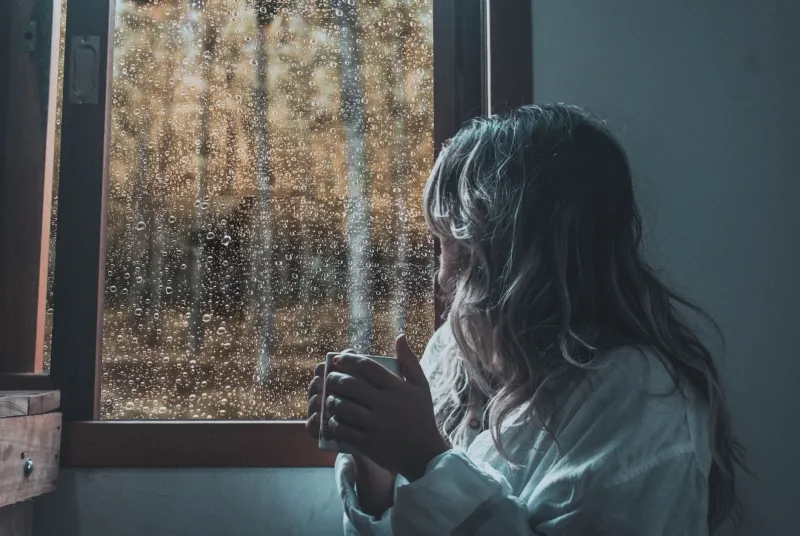
Something's Simmering: How Cooking Slowly Became the Most Radical Thing I Do All Week
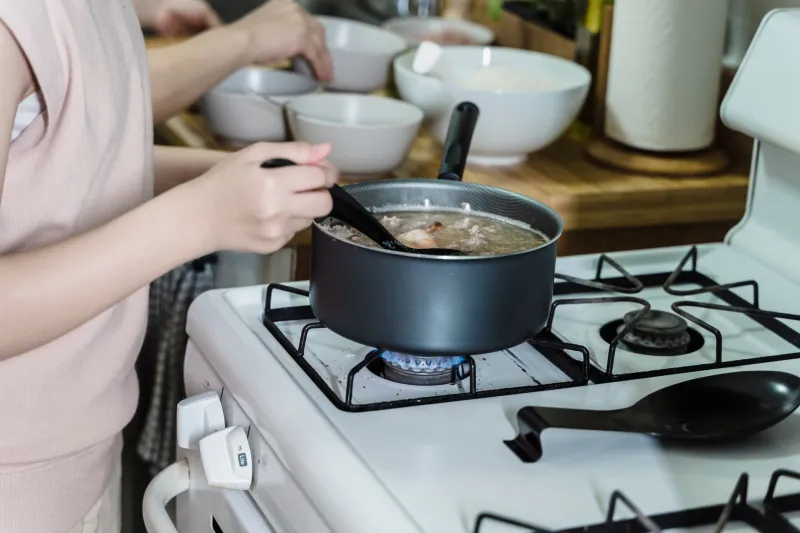
There's a particular kind of Sunday that begins with a farmers market bag on the counter, a podcast queued up, and absolutely nowhere to be. You pull out a Dutch oven. You peel garlic. You don't rush.
This is not a cooking tutorial. It's not a recipe roundup. It's a case for something quieter — the idea that how we prepare food matters just as much as what we eat, and that choosing to cook slowly in a world obsessed with shortcuts is, in its own small way, an act of profound self-respect.
The Speed Tax We're All Paying
Convenience culture has sold us a beautiful lie: that saving time in the kitchen means gaining it somewhere else. But most of us have noticed that the time we reclaim from the microwave meal or the DoorDash order doesn't actually go anywhere meaningful. It dissolves into scrolling, into low-grade restlessness, into the vague feeling that the evening just... happened to us.
When everything is optimized for speed, we lose the texture of daily life. We stop inhabiting our hours. And nowhere is this more obvious than in our relationship with food — something humans have been preparing with care and intention for literally thousands of years, now reduced to a transaction.
Slow cooking, in every sense of the phrase, is a refusal of that transaction.
What Happens When You Actually Stay in the Kitchen
There's a difference between cooking and cooking. One is a task you complete. The other is something you participate in.
When you commit to a dish that takes time — a braise that needs two hours, a soup that wants to be stirred and tasted and adjusted, a loaf of bread that requires your attention in stages — something shifts in your nervous system. You can't rush it, so you stop trying. You start noticing. The way onions go from sharp to sweet when given enough heat and patience. The moment a sauce finds its depth. The smell that fills a kitchen when something is almost ready.
This is sensory engagement in its most grounded form. And for people who spend most of their days inside their own heads — managing, planning, producing — it's a genuinely restorative experience. Your hands are busy. Your mind quiets. You are, for once, fully in the room.
Psychologists have a name for this kind of absorbed, low-stakes focus: flow. We usually associate it with creative work or athletics, but cooking — real cooking, not reheating — delivers it too. And it doesn't require talent. It just requires time and the willingness to show up.
Ingredients as Intention
There's also something worth examining in the act of choosing what goes into a slow-cooked meal. When you're standing at a produce stand deciding between two bunches of thyme, or asking a butcher about the difference between chuck roast and short rib, you're practicing a kind of attentiveness that daily life rarely demands.
You're making decisions not for efficiency but for quality. For flavor. For the person you're going to feed — which might be yourself, and that's worth sitting with for a moment. How often do we extend that level of consideration to our own meals?
Slow cooking forces you to think ahead. You soak beans the night before. You pull meat from the fridge an hour early. You plan, not because you have to, but because the dish deserves it. This forward-thinking care — the kind you might give a guest you really want to impress — applied to your own daily life, is quietly transformative.
The Ritual of It
There's a reason so many cultures have a dish that takes all day. Pozole. Gumbo. A proper Sunday gravy. Brisket that starts Friday afternoon for the Sabbath table. These aren't just recipes — they're rituals. They mark time. They signal that something matters.
In our own lives, stripped of many of the community rituals that used to structure the week, slow cooking can fill a similar function. It gives a day a shape. A beginning, a middle, and a deeply satisfying end. You know you cooked on that Sunday. You'll remember it, faintly, in the best possible way.
The ritual doesn't have to be elaborate. A pot of chicken soup made from scratch. A grain salad assembled with actual thought. A slow-roasted vegetable dish that perfumes the whole apartment. What matters is the decision to be present for the process — not just the result.
Gathering Around Something Made With Care
Here's the part that surprises people: slow-cooked food doesn't just taste different. It feels different to eat, especially with others.
When someone knows you spent the afternoon on a meal, they sit differently at the table. The conversation slows down to match the food. People linger. They ask questions — about what's in it, how you made it, where you learned. The meal becomes a kind of story, and everyone around the table becomes part of it.
This is the deeper gift of cooking with intention. It doesn't just nourish the person eating. It creates the conditions for real connection — the kind that doesn't happen over takeout containers balanced on knees in front of a screen. There's something about a dish that took time that gives people permission to take their time too.
Starting Small (But Starting)
You don't need to spend every weekend in the kitchen to access this. The practice scales.
Maybe it's one slow meal a week — something that simmers while you do other things around the house, that you check on and tend to like a small, edible project. Maybe it's committing to making your own stock once a month, or finally learning to make the dish your grandmother used to make. Maybe it's just putting your phone in another room and actually being present while you cook dinner on a Tuesday.
The point isn't perfection. It isn't becoming a great cook, though that might happen as a side effect. The point is reclaiming a few hours from the speed machine, putting your hands to something real, and letting the smell of something good remind you that you are, in fact, here.
Something's simmering. Go check on it.